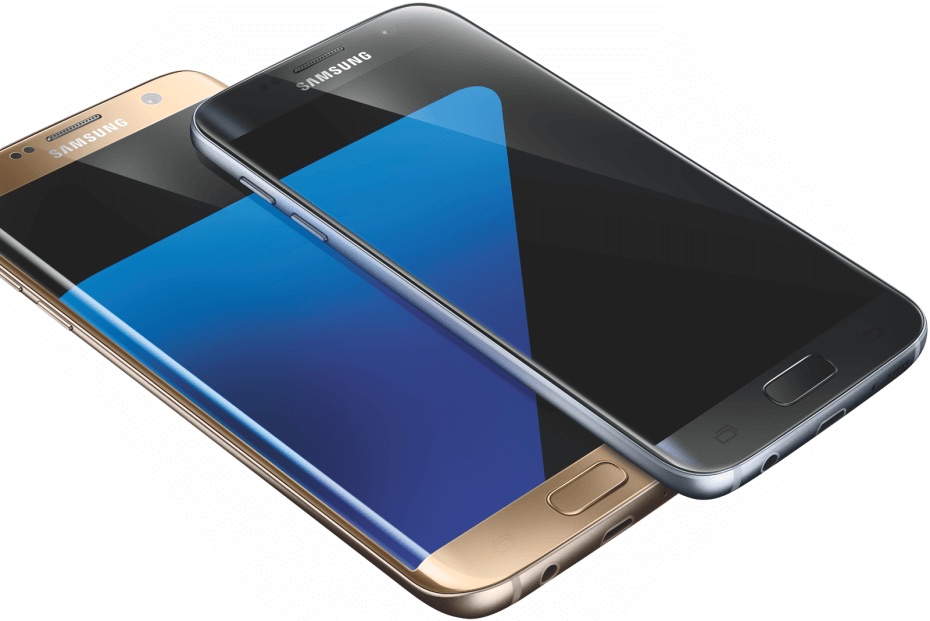
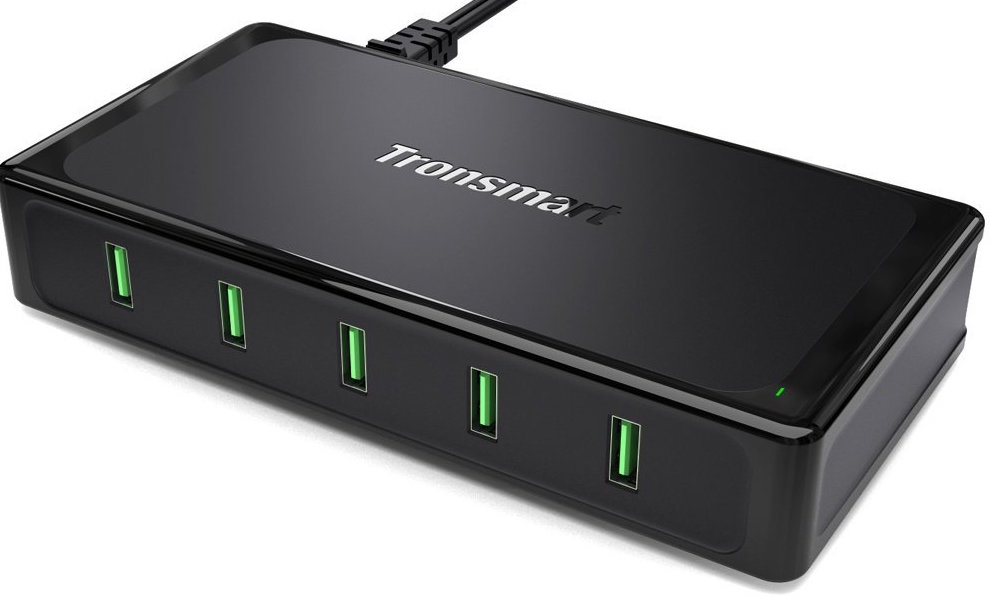
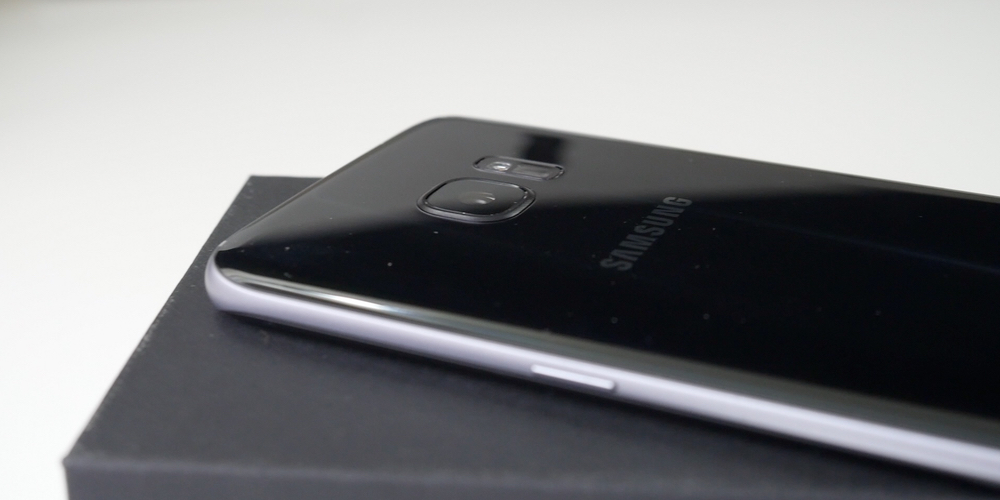
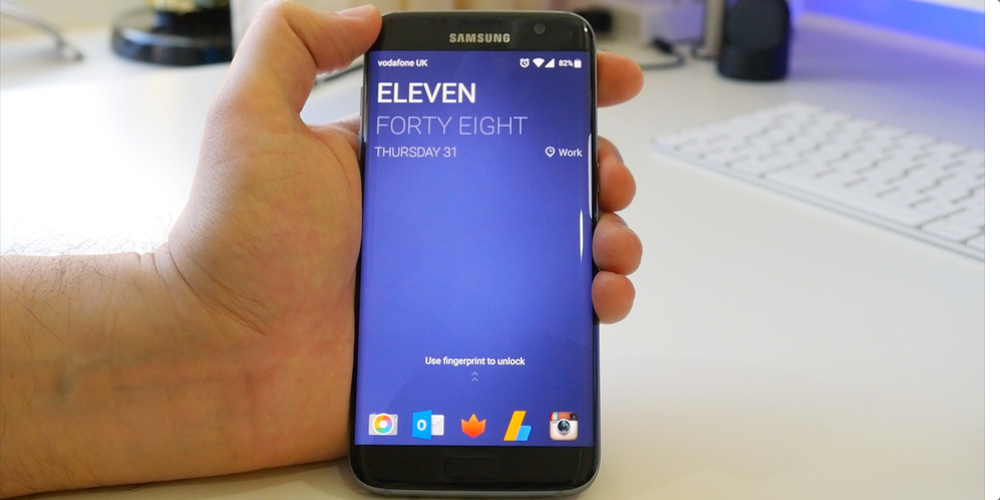
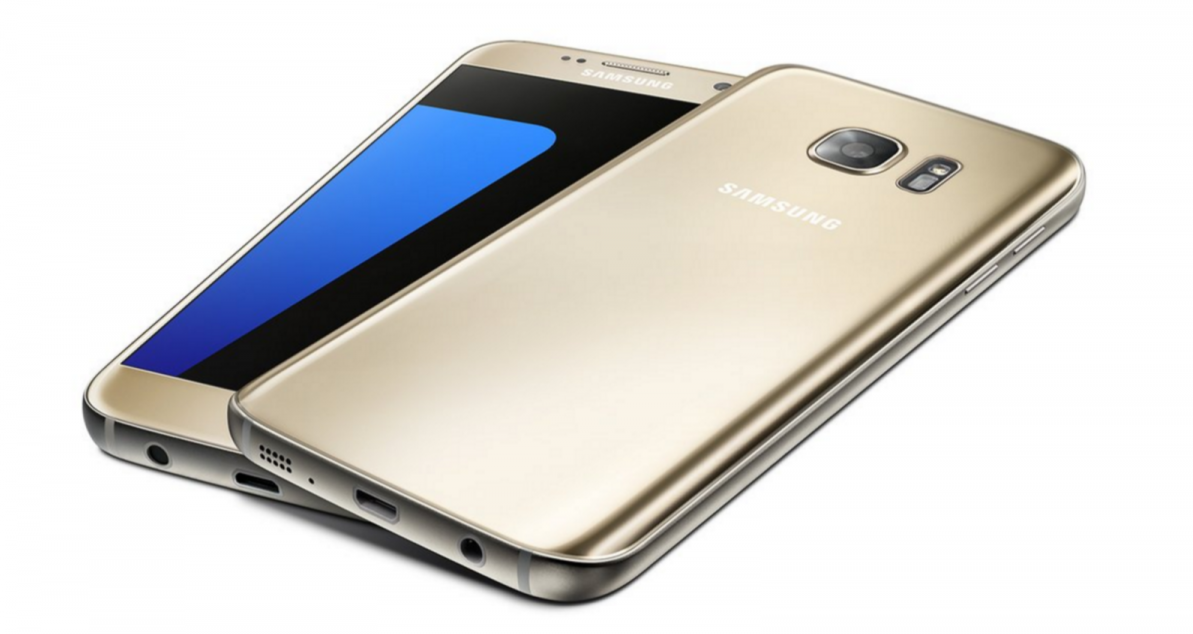
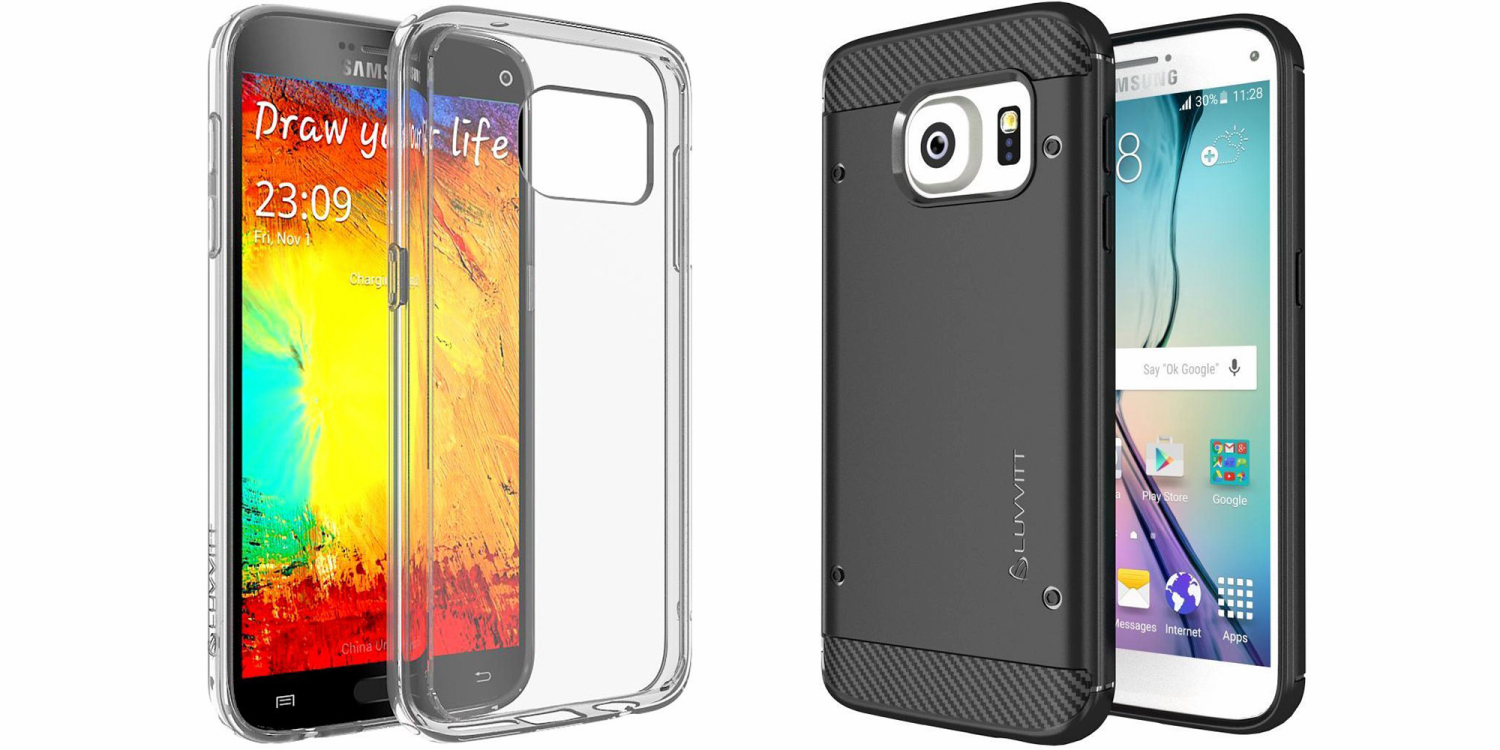
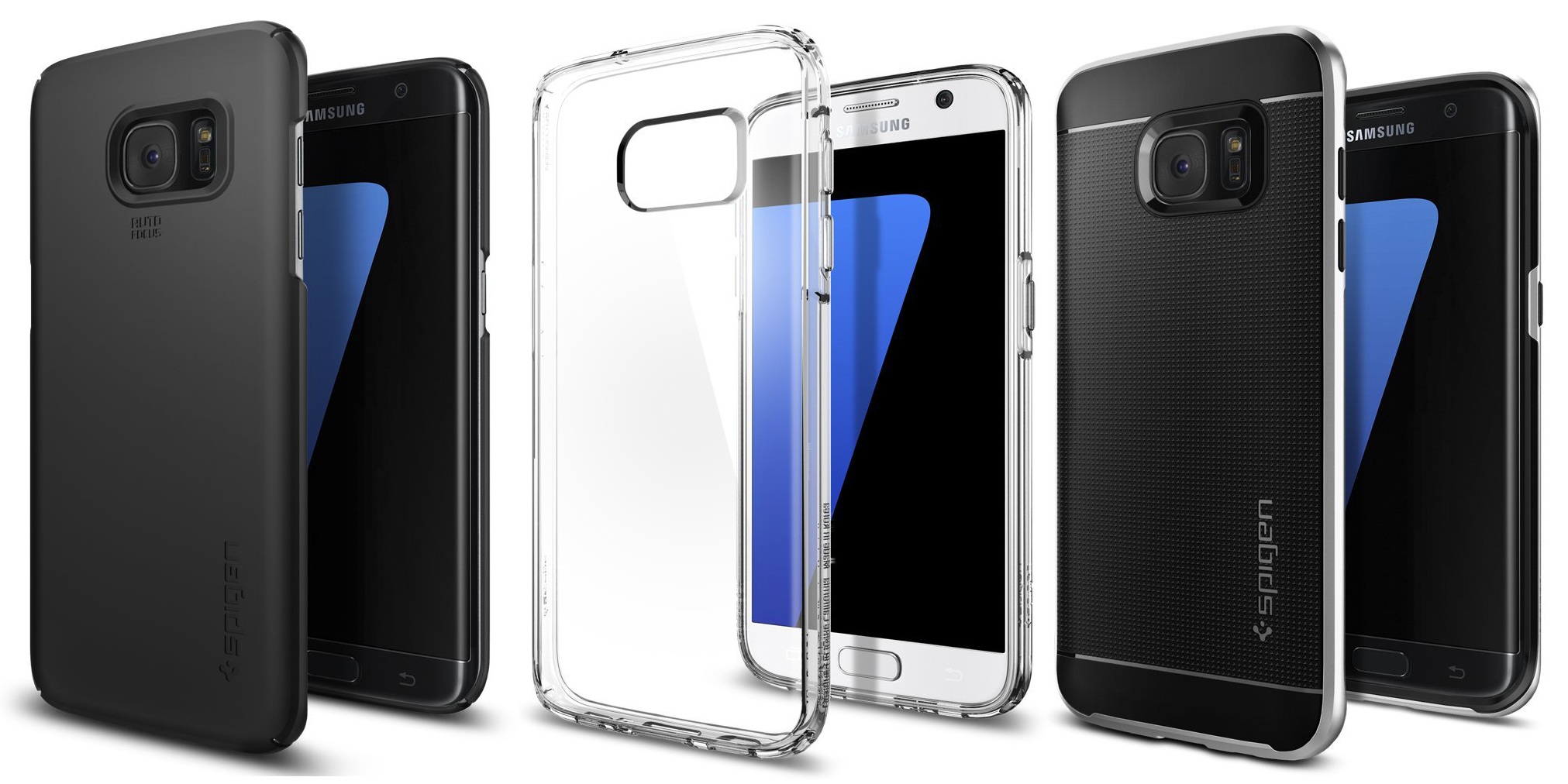
The regular S7 has a 5.1-inch Super AMOLED panel and its Quad HD (2560 x 1440) resolution gives them a pixel density of 575 PPI. The US, Japan and China will be getting the 2.2GHz quad-core, Snapdragon 820-powered chips with other markets due to get the 2.4GHz octa-core Exynos-equipped versions. 32GB and 64GB models are being launched. The S7 features a 3000mAh. battery. Samsung decided not to go with Type C, instead opting for Micro USB.
After months of leaks, HTC finally announced its latest flagship smartphone this morning, and it’s pretty much exactly what we expected. It’s an all-metal, solid unibody phone with specs that look to match today’s best smartphones. What’s more, it could have the best audio and camera experience available of any phone on the market right now. But, how does it compare to Samsung and LG’s best phones? Let’s find out…
Having been on the market for a month, the analysts over at Counterpoint Technology Market Research crunched some numbers, and found that the Galaxy S7 and S7 Edge are outselling their predecessors fairly comfortably, despite the increasingly harsh competitive market.
Samsung today has announced its earnings guidance for the first quarter of 2016. The company says that it will likely beat expectations with an operating income of $5.7 billion (6.6 trillion won), versus analyst expectations of 4.43 trillion won. The company reported strong results thanks to the release earlier release of the Galaxy S7 and Galaxy S7 Edge. Samsung traditionally releases its new flagship devices in April, but this year released them in May.
“24.0.6 Feedback applied. More feedback will be provided soon,” Samsung says to open up the changelog for a substantial update rolling out for its alternate Good Lock UI today. Besides a less-than-perfect translation, the changelog also features a huge list of much-requested bug fixes and additions. Among other changes, this update adds a swipe gesture to delete in the recent apps view, fixes an issue that caused the SD card to stop working, removal of the permanent location prompt, and more…
NewGeekGuide’s Cam Bunton had a less than stellar Samsung support experience with the otherwise great Galaxy S7 Edge in case you haven’t read. In order to improve its customer experience, however, the company is launching a major update to the Samsung+ support app that adds a remote assistance feature.
“Some men just want to watch the world burn” and apparently a few of them work at Slickwraps, the popular skins manufacturer. While I’m normally not a big fan of gadget destruction videos, there is something strangely beautiful about a Galaxy S7 Edge being squeezed by a 400 ton hydraulic press.
Despite having built the Galaxy S7 and S7 Edge with impressive water and dust resistant qualities, it seems Samsung and/or AT&T has seen fit to launch an ‘Active’ version. Evidence supporting the device has crept up in a number of locations online over the past few days.
The Galaxy S7 and its curved-screen sibling are fast phones. Incredibly fast. Despite the demanding QHD panels, 4GB of RAM paired with a snappy processor keep things consistently smooth. However, unlike last year’s entire Galaxy S6 family – which mounted the Samsung-made Exynos 7420 – for 2016 Samsung decided to restore some faith in Qualcomm, whose faulty Snapdragon 810 processor gave certain devices more than one issue last year. In the United States, in fact, both Galaxy S7s use a Snapdragon 820 SoC; a choice which of course needed to lead to some controversy…
We know that T-Mobile likes to distinguish itself from other US carriers, and that usually results in some bizarre stunts. Last month, to emphasize the return of water resistance in the Galaxy S7, the company set up a completely underwater-shot video unboxing of the device, and now that the LG G5 is about to reach stores across the country, T-Mobile is back at it again…
Update: Samsung got in touch to say they’d read the article, and to assure me that steps are in place to improve its returns/exchange process for customers.
In respect of the other points raised we do empathise with your frustrations and can assure you that actions are underway and, in some cases, in place (the Samsung Shop is now able to offer exchange products for failures within the returns period) to ensure that we improve our service and support moving forward
It’s hard to imagine there was once a day when Android flagship phones performed noticeably worse than an iPhone. A few years ago, if there’s one thing Android OEMs were known for, it was pushing the most specced-out plastic phones possible. Most of the time, the specifications didn’t translate to a much better experience.
Despite more impressive-sounding specs, the Android flagships were noticeably slower than iPhones, their cameras were terrible and the fit and finish, or build quality was — quite frankly — woeful. It wasn’t true for every phone, but it was a prevailing theme.
A lot has changed over the past 4-5 years. Android phones have caught up with, and arguably, surpassed the iPhone. They have the best cameras, they’re fast, have useful tech like fast/wireless charging, big batteries, SD Card slots, waterproofing, crazy high def OLED displays and are somehow more affordable. What’s more, Apple’s cloud services which underpin its hardware leaves a lot to be desired, especially in staples like photo management, maps and messaging.
But there’s still one major area that Android manufacturers need to get their act together on: Customer Service.
In 2015, Samsung changed its approach to smartphones. Instead of just packing in the most powerful components in to a hideous plastic shell, the company actually gave a damn about design for once. It delivered the stunning glass and metal S6 and S6 Edge, but compromised maybe a little too much on some aspects. Most notably, the battery and lack of external storage.
This year, the manufacturer took what was great about last year’s phones and improved upon the compromises. What that means is that this year, the S7 Edge is easily one of the best phones on the market.
For the past few years, most of the major manufacturers have embraced a war on specs — which ultimately led to an incredibly fast-paced evolution of the smartphone. Unlike any other tech-related market before it – think desktop computers or laptops – however, the smartphone has proven to be disruptive in a different kind of way; it became truly universal, and capable of becoming an intimate part of virtually every aspect of people’s lives, from their jobs to personal hobbies to more practical utilities and a myriad of other use cases enabled by its mobility.
We had mobile phones before, sure, but the smartphone arrived and put a small computer in our hands, one that would eventually allow us to do a million things on the go that we would have only dreamed of a few years prior, literally outgrowing the tech industry and making companies like Google, Amazon and Apple among the highest valued in the world. So naturally, with such a big, expanding and opportunity-rich market, manufacturers and other tech giants alike put all of their effort into improving and refining these experiences, ultimately taking us where we are now.
The spec-war has been furious: each year’s imperative was a constant impel to cram in the newest and best components on the market in the smallest, most elegant package possible. More pixels, more megapixels, more cores, more RAM, more everything. While users — at least on Android — most notably complained about the lack of a polished experience to match the sheer capabilities of these internals, looking at it in retrospect we can see just how far we have come…
Months before the Galaxy S7 was officially announced, rumors surrounding the device predicted that some regions would get a model equipped with Qualcomm’s latest Snapdragon processor while other markets received an Exynos-powered version. Those rumors came to pass, and early benchmarks suggested that GPU performance was far better on the Snapdragon models than it was on the Exynos-equipped phones. In contradictory fashion, a couple of new comparison videos suggest those benchmark results were more than a little misleading.
An as-yet-unpublished report from IHS has revealed that Samsung pays around $255 in component and build costs per Galaxy S7 unit. As noted by Re/code, that’s pretty much the same as it cost Sammy to build the Galaxy S5 a couple of years ago, clearly indicating that high-end materials are dropping in price.
There is no denying that Samsung put a lot of effort into the making of this year’s new flagship devices, the Galaxy S7 and Galaxy S7 edge. Despite having faced several difficulties regarding sales and profit margins, along other Android OEMs, the South Korean giant looks to be on the right track regarding numbers for the newest flagships.
Koh Dong-jin, president of Samsung’s handsets business, mentioned during a press briefing that the company saw strong pre-order numbers for the Galaxy S7 phones, saying that they were ‘stronger than expected’…
The Galaxy S7 and S7 Edge officially launch on March 11th, despite the fact that most pre-orders have already been sent and delivered to early adopters. With the launch date looming, two of the US’ biggest carriers have kicked off an incentive to buy the new phones from them and not the competition.
Customers buying a Galaxy S7 or S7 Edge from AT&T or T-Mobile can claim back the full retail price of a second phone. Here’s how:
Yesterday, a report suggested we might see noticeably different performance from the Graphics Processing Unit (GPU) between the Exynos and Snapdragon-equipped Galaxy S7 and Galaxy S7 Edge models. Now it seems we might see a slight difference in camera performance too. A thread on XDA Developers shows that some S7/S7 Edge models ship with a Sony-made sensor, while others use Samsung’s own camera sensors.
The latest Galaxy S7 continues the trend of hard-to-fix smartphones. iFixit gives Samsung’s latest flagship device a 3/10 repairability score, noting how difficult it is to get into the device in the first place. And once you get in, it’s even harder to replace one component without damaging another.
Among the numerous changes made by Samsung with last year’s pair of Galaxy S6 flagships, the decision to stick with the Exynos 7420 everywhere the device was shipped stood out particularly. Common practice for the South Korean giant was to manufacture its high-end handsets with Snapdragon chips in the mainstream markets of Europe and the United States, while delivering an Exynos-powered experience in Asia.
Given the Snapdragon 810’s notorious over-heating problems, however, it was probably a good decision; but Qualcomm set to come back in full swing this year, obtaining a deal that sees US-bound Galaxy S7s equipped with their SoC. This, however, seems to have created major discrepancies between the two models’ performances; according to AnTuTu tests, a negligible 5% difference sets the two models apart as far as CPU power goes, while up to a massive 32% gap separates the greatly superior Snapdragon 820 from the seemingly under-performing Exynos 8890 in GPU-related benchmarks…
We were present when Samsung unveiled its newest Galaxy S-series smartphones at the Unpacked event in Barcelona. Now, just a couple of weeks later, we have the phone in our hands and are ready to share our second first impressions.
You’ve perhaps heard of the JerryRigEverything YouTube by now. Normally, the channel’s videos are made viral because of the host’s tendency to subject brand new expensive smartphones to in-depth and brutal durability tests. Normally that involves scratching the screen, bending the device and burning the display.
In his latest video however, Jerry took time out to show some genuinely useful information. Peeling back the layers, we get a look at exactly what Samsung has done to make the Galaxy S7 water resistant…