
Google Chrome ending support for macOS ‘Monterey’ in July 2026

Google has confirmed that, starting with a release scheduled for July 2026, Chrome will end support for macOS 12 – “Monterey.”
Expand Expanding Close
Google has confirmed that, starting with a release scheduled for July 2026, Chrome will end support for macOS 12 – “Monterey.”
Expand Expanding Close
A new feature debuting on the Oppo Find N5 will allow Mac users to control their machines from their smartphones, as well as better integrating their phone with macOS overall.
Expand Expanding Close
Google’s Project Zero team is well-known for revealing the bugs and security flaws within systems from Google itself, as well as other big companies. Most recently, the team at Google has reported and publicly disclosed a “high severity” flaw in the macOS kernel which can grant an attacker access to a users computer without their knowledge.

Dark mode has slowly been making its way to various Google services and will be a big highlight of the upcoming Android Q release. Over the past couple months, though, we’ve been tracking a dark mode in Google Chrome on both macOS and Windows 10. Now, that feature respects the system-wide dark mode on both platforms.
Google launched YouTube Music just a couple of weeks ago and it makes a lot of improvements to the company’s streaming strategy. One thing it doesn’t fix, though, is the lack of a native app for desktop operating systems. Luckily, a third-party developer is coming to the rescue.

Google, just like Amazon, is working hard to get its virtual assistant on almost every physical platform that it possibly can. This includes phones, speakers, security cameras, appliances, TVs, and more. But as someone who spends close to 80 to 90 percent of my time on a computer, I want an official Google Assistant app that is accessible from both my Apple laptop and Windows desktop.
While we know Google is working to bring Assistant to Chromebooks, and there are ways to build your own Assistant app for Mac and PC, there isn’t an official option that packs with it all of the functionality found elsewhere.


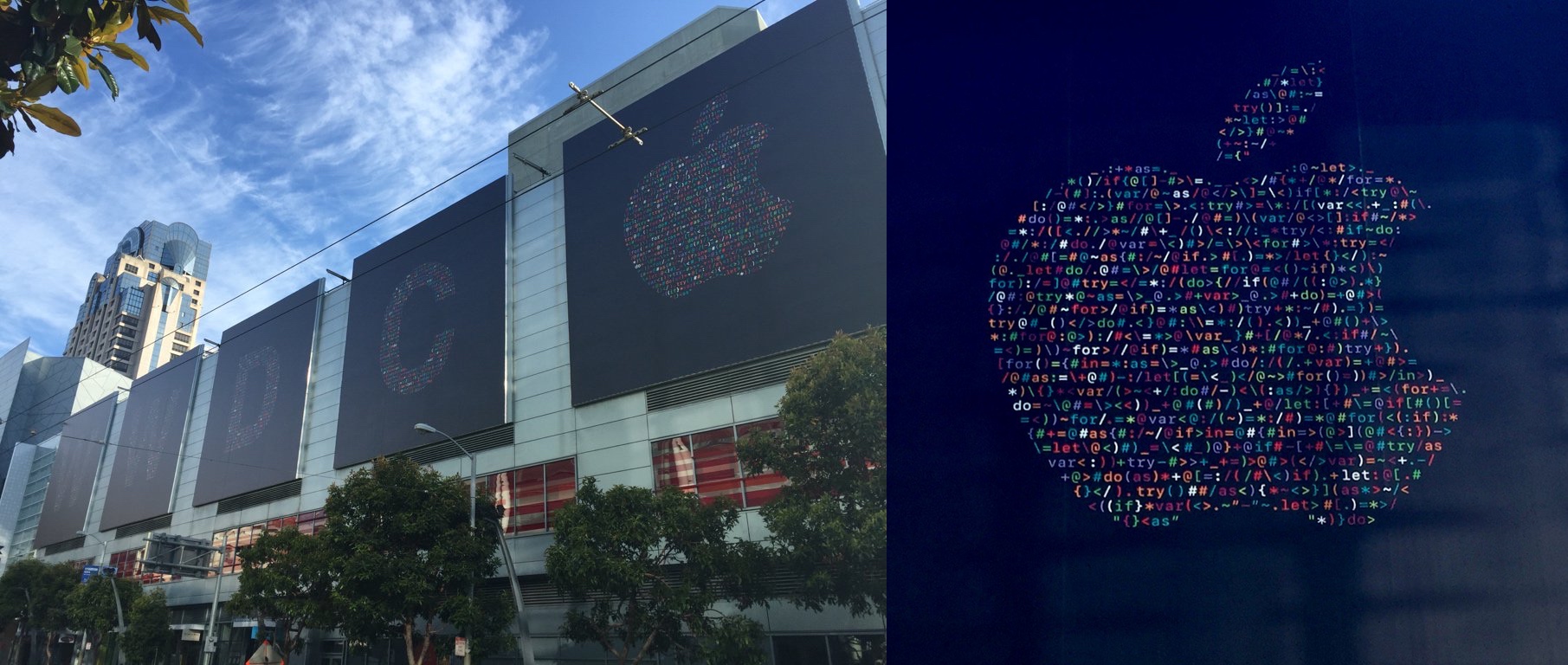
Apple took the stage today at the Bill Graham Civic Auditorium in San Francisco, California to announce the latest new features — for developers and consumers alike — for its four main platforms: watchOS, tvOS, macOS (previously called OS X), and iOS. There is tons of new stuff in these releases set to go public later this year, but one thing that became increasingly clear as the event progressed was that the Cupertino company is playing a lot of catch up.
It’s not a new trend, really. Google has always introduced features and potential products to the public not long after they become barely workable experiments, leaving other companies like Apple to appear behind at times — whether or not they actually are “behind” in reality. It goes without saying that there are always things being worked on in the background (that’s why I put “copied” in quotes), but with many of today’s announcements, Apple brought those things to light.
