
Google Phone


While the marquee feature of Google Phone 17 is the addition of floating chat heads, this update also details some in-development functionality. Namely, a new bottom bar redesign and support for Real-time text.

Over the past several updates, the Google Phone app has added some new, but mostly minor features. Now, version 17 is introducing a new floating chat head that provides convenient access to controls during a call.
Following the last update adding a white navigation bar, duplicate contact management, and Assisted Dialing, the latest version of the Google Phone app is now rolling out. Among other smaller tweaks, version 16 reveals work on a redesigned Favorites tab.

Google’s Duo video service is definitely underrated, but the company is pushing it in several ways to get more users interested. Now, users with Google’s own dialer application can start Duo calls with just a tap.
In our teardown of the Google Phone app last month, we spotted several in-development features. With version 15 now rolling out, functionality like “Clean up” and “Assisted Dialing” are now live, along with a light navigation bar on Pixel devices.
The latest version of Google’s Phone dialer for Pixel, Nexus, and Android One devices is rolling out today with some exciting features in the works. None of these changes appear to be live yet, but most notable is a voicemail transcription service powered by Google.

Thanks to a recent sighting in the AOSP commit, Google might be in the process of adding new notification actions to its Google Phone app.
Google’s Allo and Duo services aren’t exactly the most popular communication apps out there today, but they certainly can come in handy. Google has slowly been taking steps to improve the integration of these two services into its various apps and Android itself, and now an update to Google’s dialer app reveals that the company has further plans for bringing Duo into the fold.
With spam warnings, visual voicemail, a super clean UI, and more, Google’s Phone app has quite a lot to offer to folks rocking Pixel, Nexus, and Android One devices. We recently discovered a new feature deep in the Phone app that makes managing calls from your home screen much easier than before, and we managed to enable it in the latest version of the app so you can see it in action…
Google’s Phone app for Pixel, Nexus, and Android One devices have a number of smart features, including spam warnings and the ability to search for nearby places. The latest useful feature rolling out with version 10.1 displays your current location when calling an emergency number.
Google loves putting easter eggs in its various apps and services and through the years, we’ve seen some pretty spectacular ones. Today, a new easter egg has been discovered in the latest version of Google’s Phone application for Android.
Notifications are getting a big revamp in Android O and Google’s apps are beginning to lay the groundwork to support them. Google Phone 9.0 features several strings related to notification channels and might add more messaging options, like sending and receiving photos during calls.
At the beginning, OEM partners were vital in order to spread Android. Google would handle the hard work of creating the operating system, while OEMs would manufacture and deal with carriers. This approach worked and Android is now the most used mobile OS and Samsung is the largest smartphone vendor in terms of shipped devices. But how is Google going to keep Android growing into the future?..
Expand
Expanding
Close

According to a report today out of The Information, Google is once again discussing the idea of designing and releasing their own phone. Different from the Nexus line of phones which are built in partnership with OEMs such as LG and Huawei, this purported phone would put Google solely responsible for design, manufacturing, and marketing.
Of course, there is precedent for Google making hardware with the Chromebook Pixel and upcoming Pixel-C tablet running Android, but would making their own phone really make any sense?


There is a lot of interesting news coming out of the Google v. Oracle Java trial today. Yesterday, former CEO Eric Schmidt gave his testimony to the court, and today Andy Rubin took the stand where he revealed a slide deck with Google’s ambitions to sell 10 million Android tablets during 2011 and other pieces of information related to Android revenue.
On-hand reports from The Verge point us to a few of the more intriguing statements made by Rubin and others today:
Google Phone:
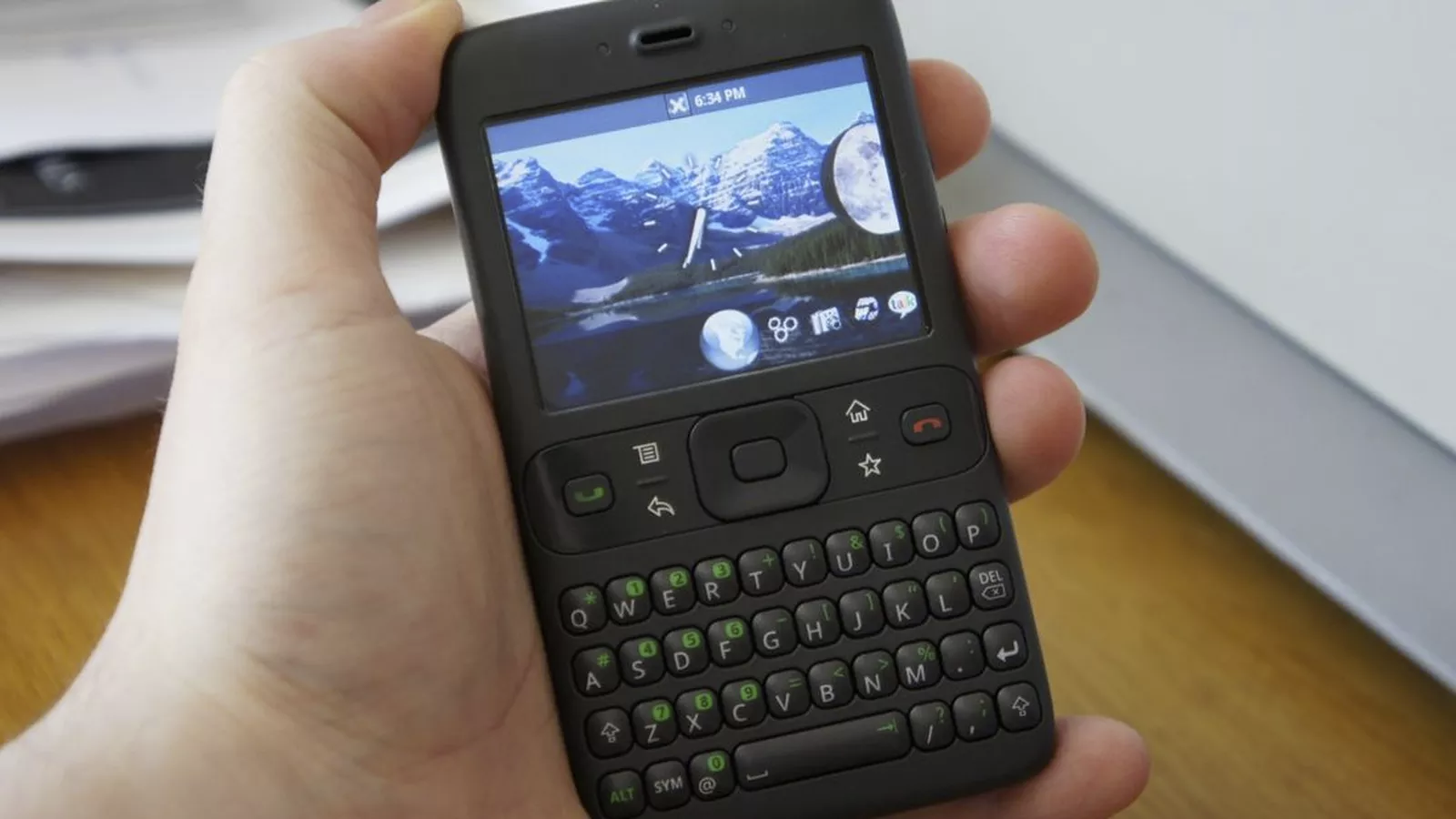
The image above is of the “original Google phone” concept presented to carriers almost two years before Google finally launched the first Android handset, the T-Mobile G1. The images of the device came up in the trial due to references to Java in the designs. A year later, in May 2007, almost a year after iPhone, Google was still designing Android with a physical keyboard in mind—as noted in Android specification documents during the trial.
Android Revenue:
First, we get a close look at Android revenue numbers for the first time. The numbers come from a quarterly report given by Rubin and others in 2010 that show the company expected revenue from Android to reach $278.1 million during the year.
The forecast was based on increasing the roughly 20 million Android phones in the market at the time to 40 million by the end of the year. Google was also expecting to pull in $158.9 million in Android ad revenue and just $3.8 million from its 30 percent cut of app sales. According to the report, Google forecasted bringing in $840.2 million from Android ads and $35.9m from app sales in 2012.
Subsidized unlimited data plans:
Another interesting document that emerged from the trial shows Google suggested to T-Mobile in 2006 that it would give up its finder’s fee commission for new customers in order to provide Android phones with $10 monthly unlimited data plans. Of course, that plan was never carried out, and the original Android T-Mobile G1 launched with the conventional $25+ plans.