

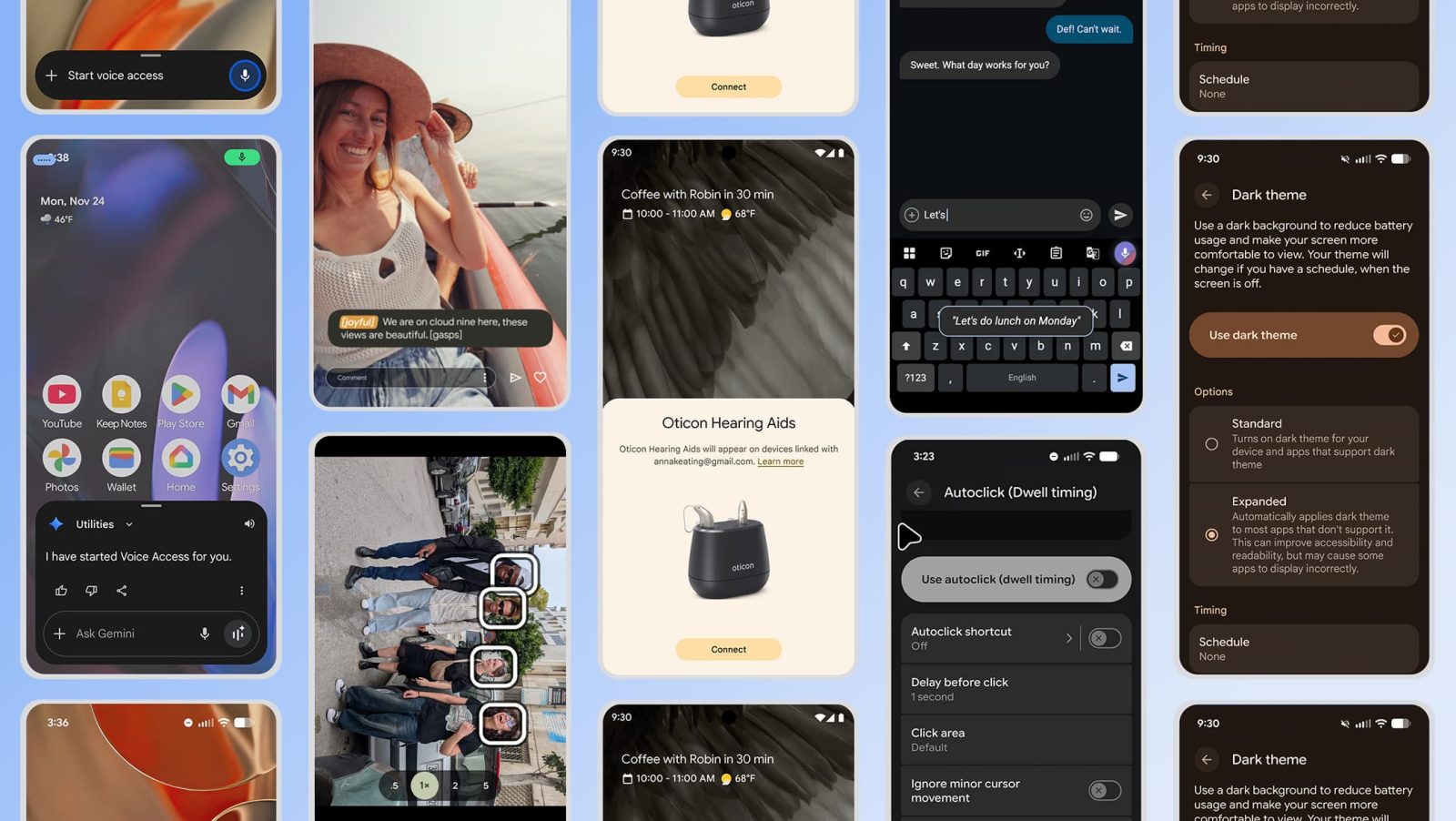
Android 16 QPR2 is here today, but Google’s not solely focusing on new features and changes. Alongside those announcements, the company is also bringing a whole host of improvements and changes to accessibility on Android. In addition to some helpful changes to hearing aids, captions, and more, Google is also building Gemini models into Smart Dictation and Guided Frame on Pixel devices for improved responses.
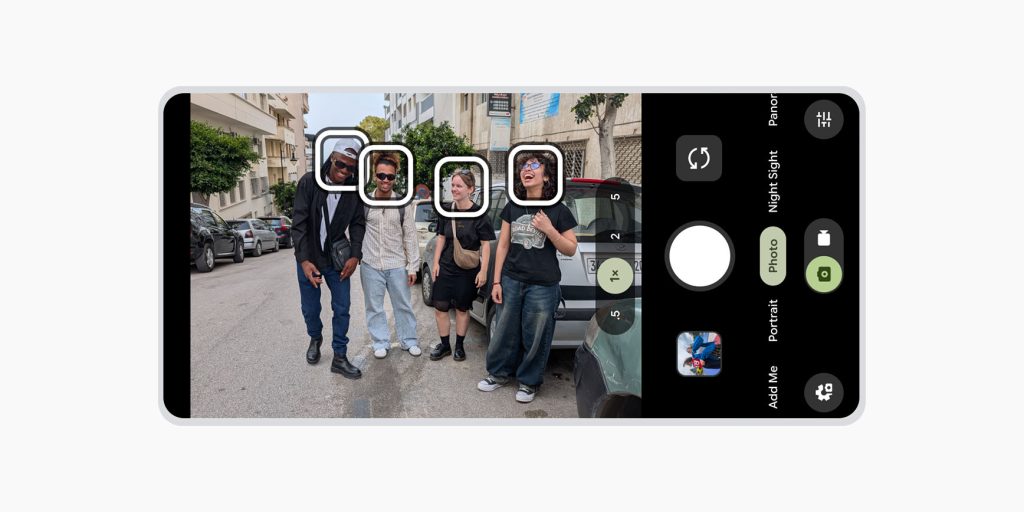
When it comes to Pixels, Guided Frame is what’s getting the most attention. That photo-friendly feature is getting a Gemini boost, describing in additional detail what it sees through your camera’s viewfinder before you snap your shot.
The rest of today’s announcement applies to Android at large. By far the one I — and, I’d hazard to guess, most other people — am excited for is auto-dark themes for unsupported apps, allowing for any application without a native dark mode to stay dimmed in low-light situations. While most of my everyday apps have swapped to supporting dark mode, this should fill in those last few gaps lingering in your app drawer.
While it’s not as powerful as Smart Dictation with Gemini, Android is on track to get a new shortcut for TalkBack, allowing for Gboard users to activate voice dictation with just a two-finger tap. Meanwhile, Voice Access now supports Gemini-based activation through the phrase “Hey Google, start Voice Access” for hands-free controls. It also includes support for Japanese and improved command recognition, and can toggle settings like Wi-Fi and Bluetooth.


Expressive Captions are getting a big overhaul thanks to support for emotion tags. Regardless of what content you’re watching, it’ll now show tags like [joyful] or [sad] to match up with the visible emotion on-screen, with Google giving examples like social media stories. Expressive Captions are also coming to YouTube on all devices, with English-language videos uploaded after mid-October 2025 featuring Google’s improved support.
Google is also improving how mouse clicks work. For those who rely on AutoClick to make selections on their smartphone, Android now allows for custom pause timing, allowing users to hover over objects for a set amount of time before the OS takes over.
Finally, Google is extending Fast Pair support to hearing aids. Considering the convergence happening between hearing aids and standard Bluetooth earbuds, it was bound to happen eventually. Still, it’s great news for those who rely on hearing aids, as future pairs will be able to connect through Bluetooth LE Audio just by tapping the two products together. It’s available now with Demant-brand aids, and will arrive on Starkey products early next year.
Update, 12/2: Google initially announced Smart Dictation with Gemini would be coming to Pixel devices with support for natural voice editing. However, the company informed us it has removed this portion of the announcement from its blog post following publication, and as such, NewGeekGuide has also removed it from our coverage.
FTC: We use income earning auto affiliate links. More.




Comments